How does ATP testing work?
ATP bioluminescence is the most widely used method for rapid hygiene verification in the food industry. Understand the science behind the technology.
What is ATP?
ATP (adenosine triphosphate) is the primary energy molecule in all living cells. It is present in bacteria, fungi, yeasts, plant and animal cells — in short, in all biological matter.
When ATP is found on a surface, it means biological residues are present. These can be food residues, bacteria, or other organic contamination — even if the surface looks visually clean.
ATP bioluminescence measurement provides a direct, quantitative measure of the biological cleanliness of a surface in just 5 seconds.
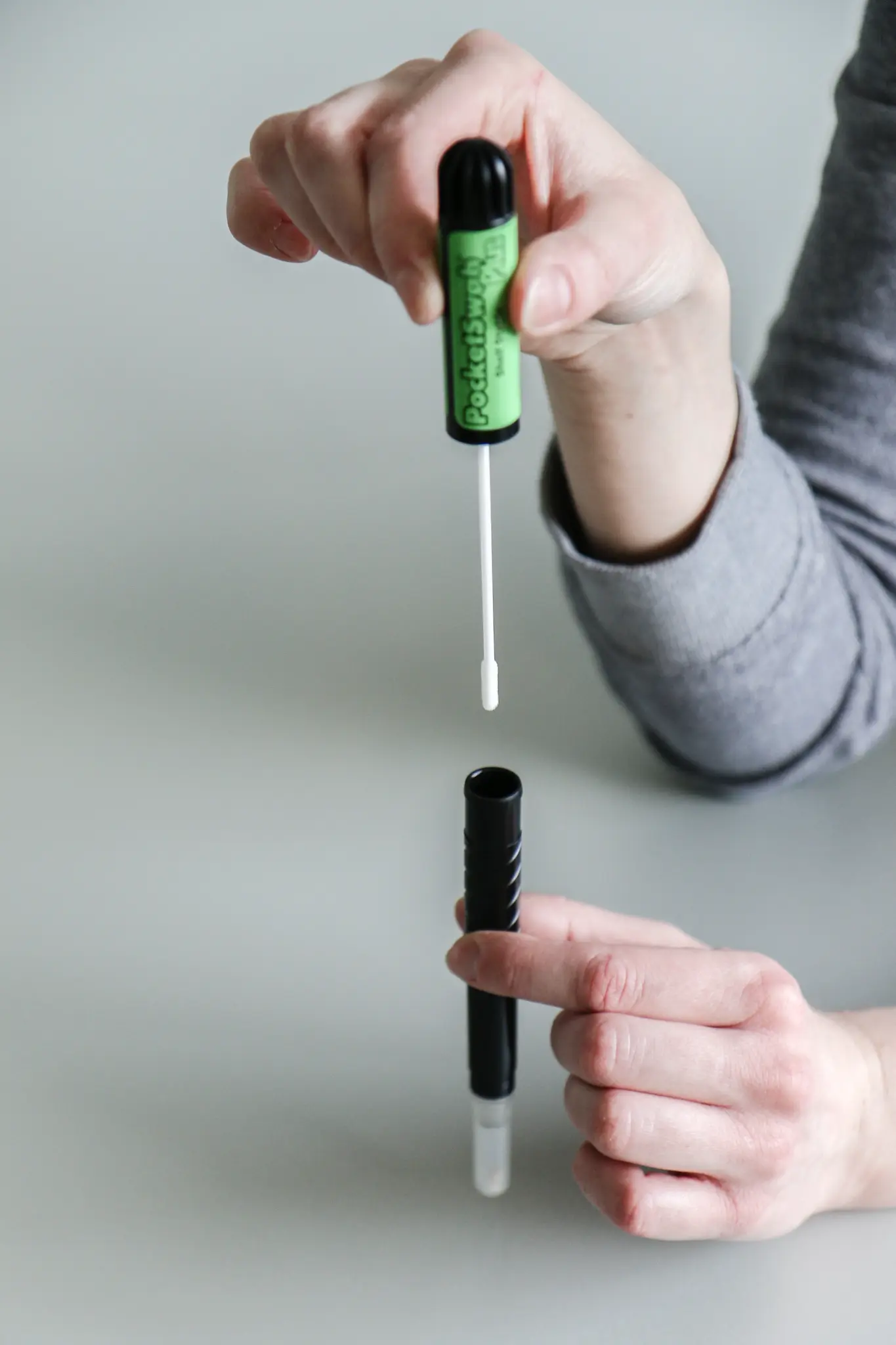
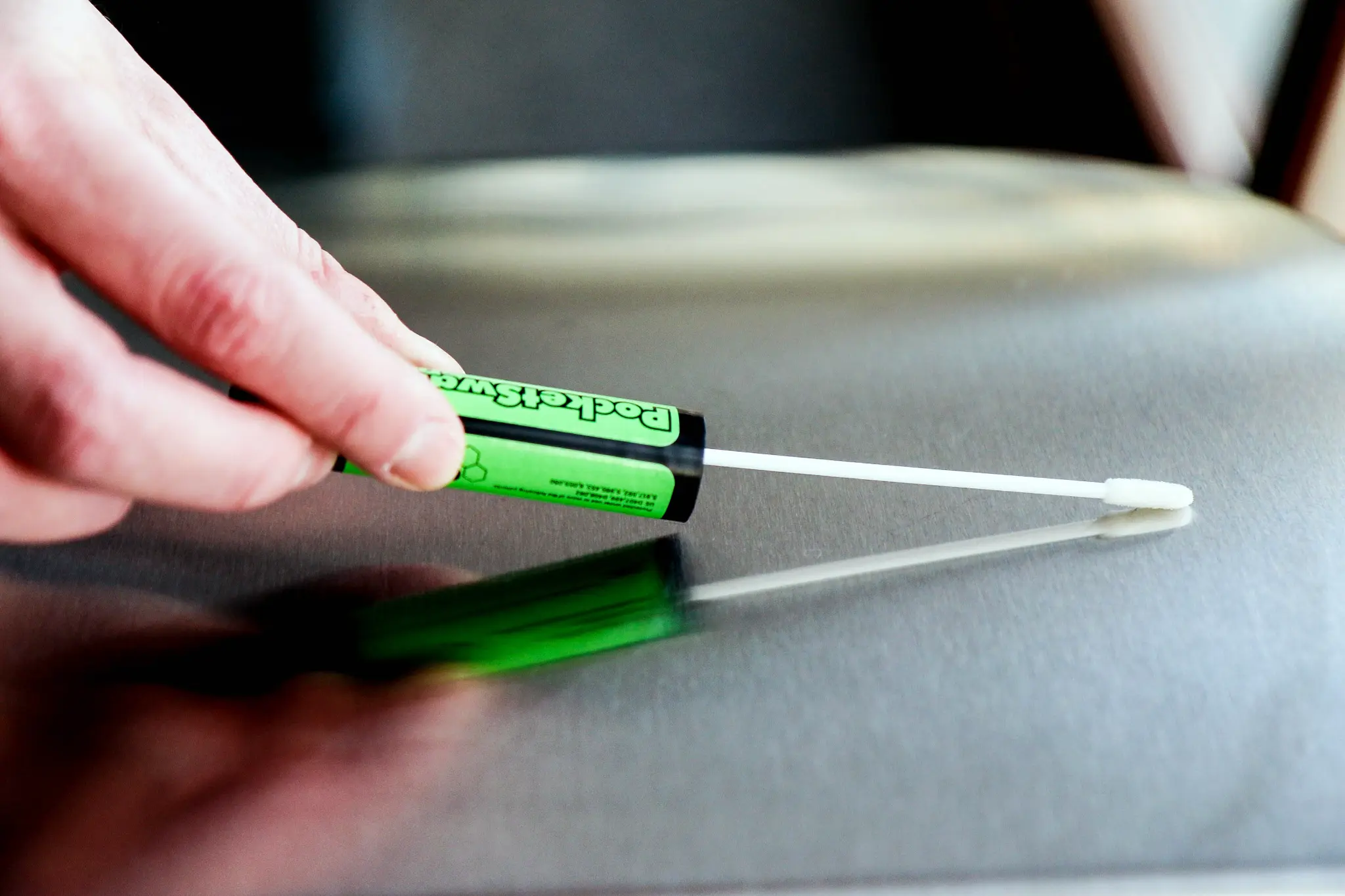
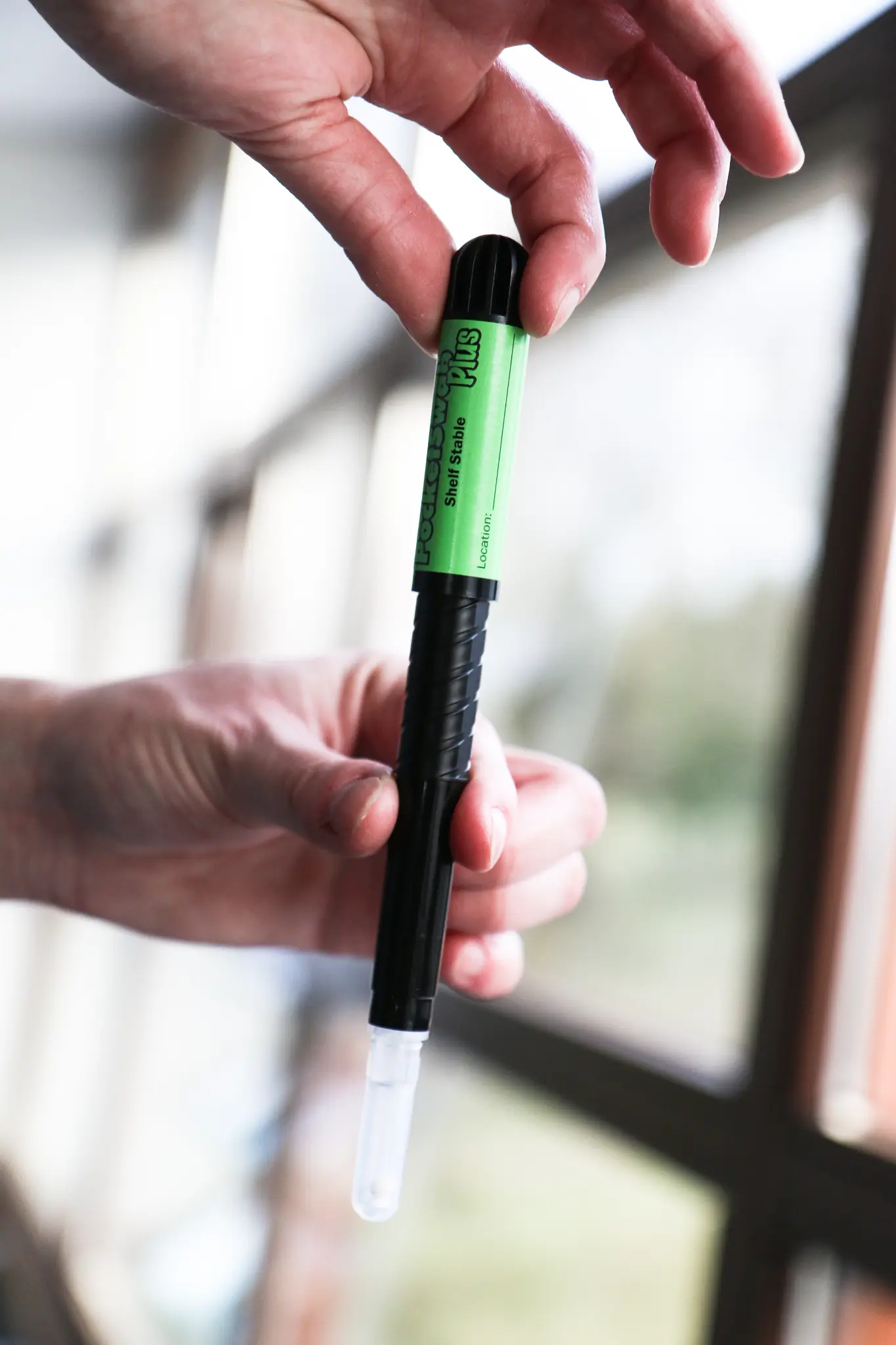
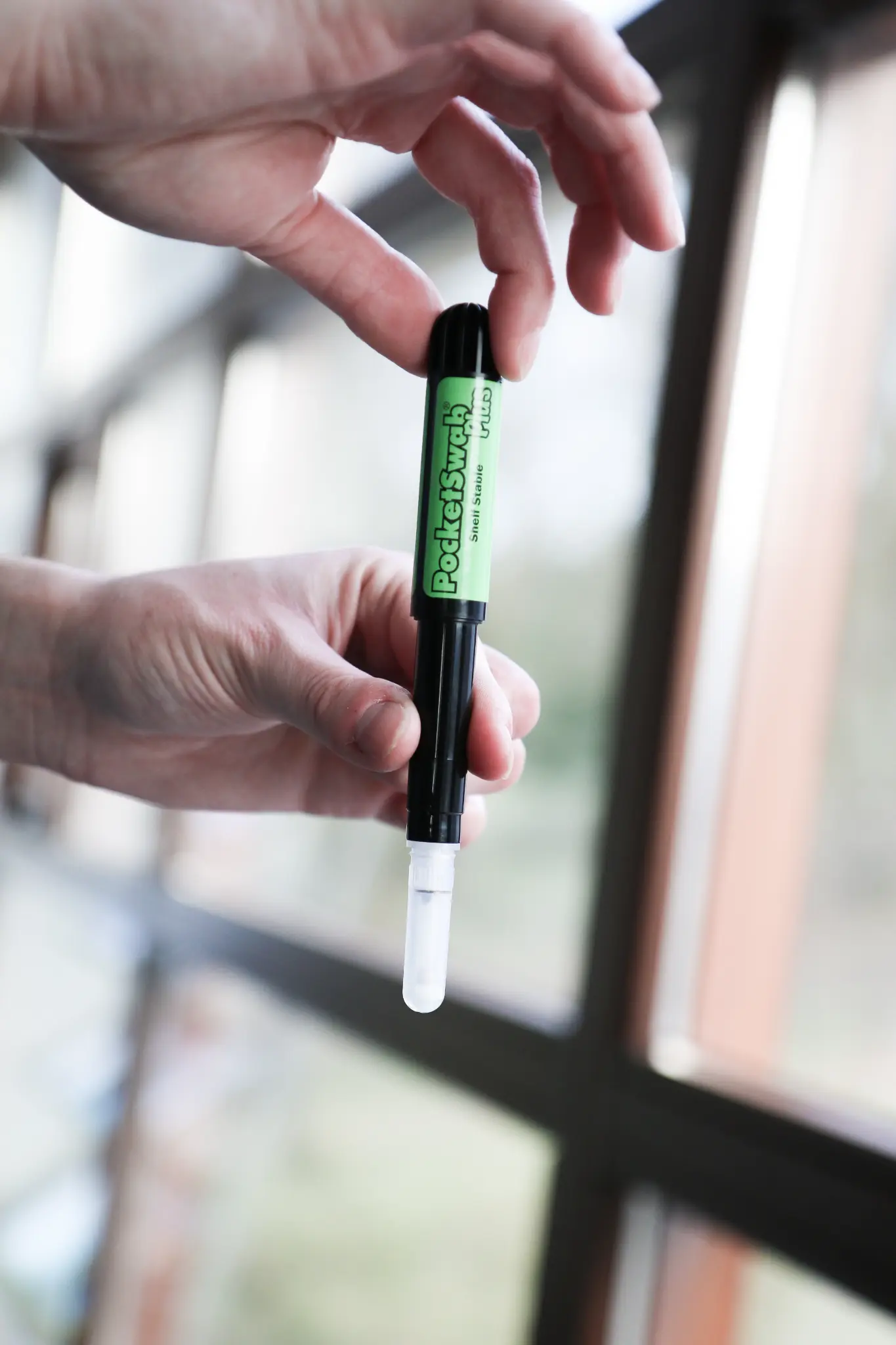
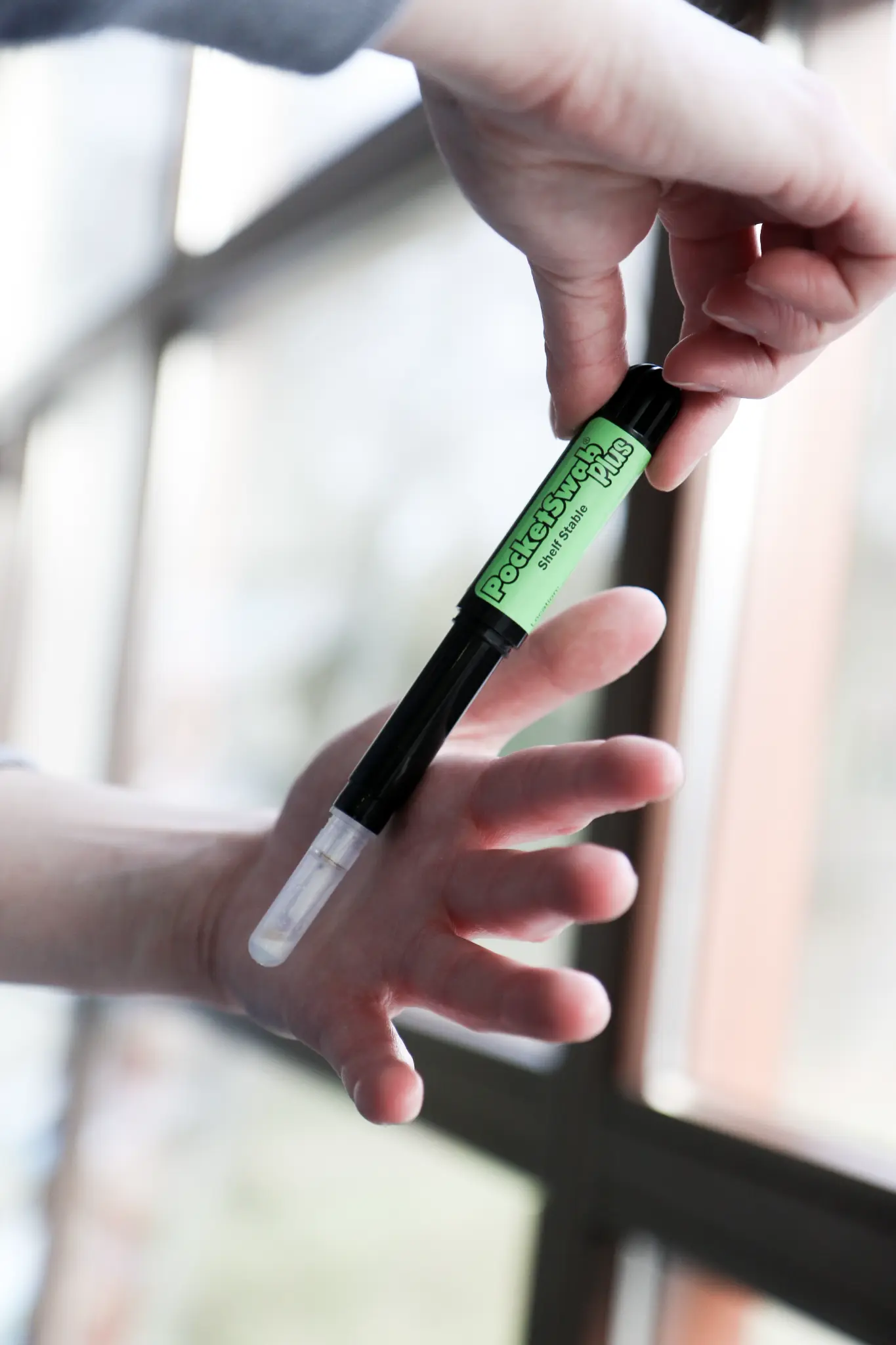
The test process step by step
An ATP test with the novaLUM II-X and PocketSwab Plus takes only 5 seconds and requires no laboratory equipment or special training.
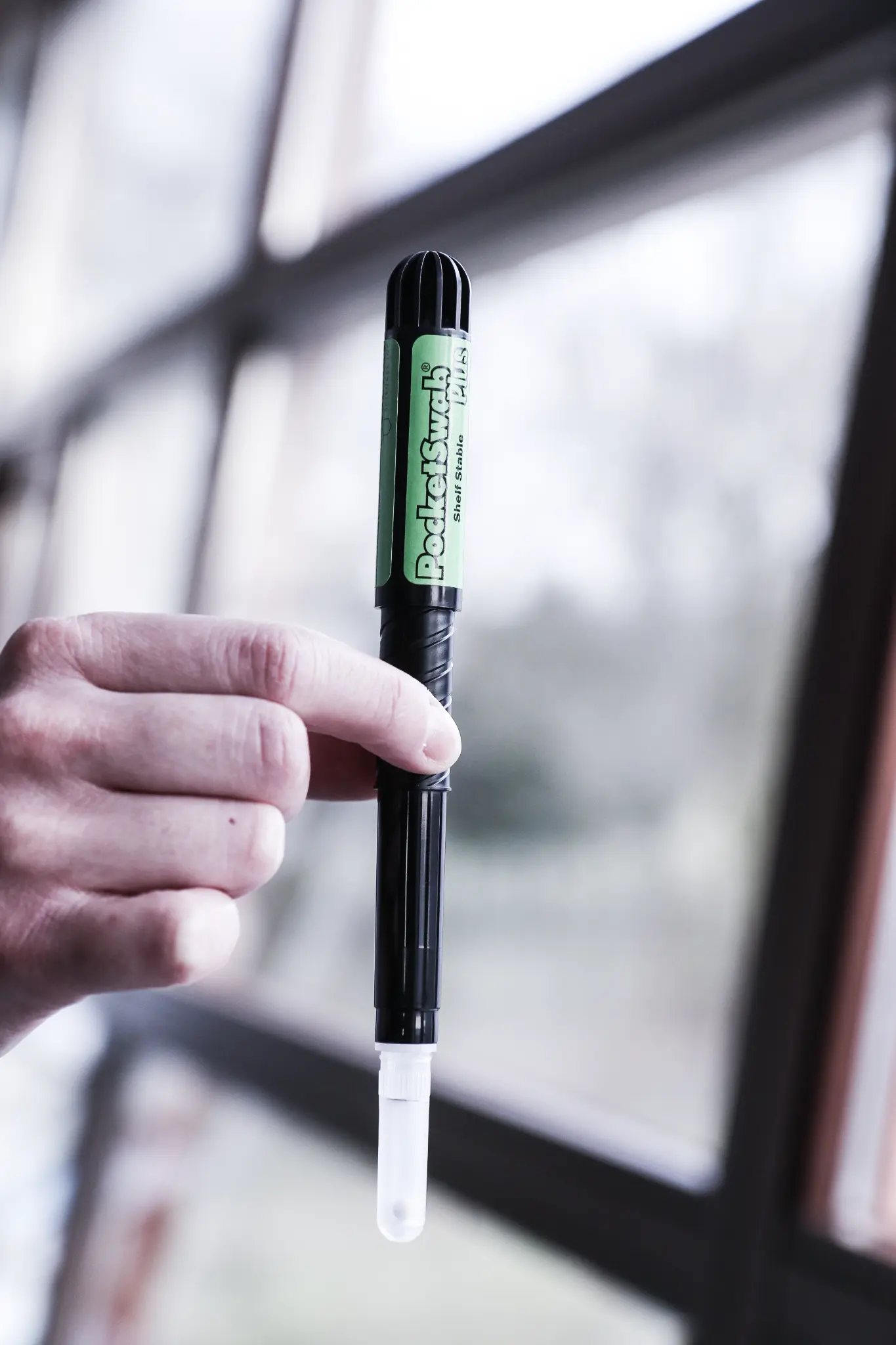
Swab the surface
Swab a surface area of 100 cm² (10×10 cm) with the pre-moistened PocketSwab Plus. Ensure good contact with the surface.
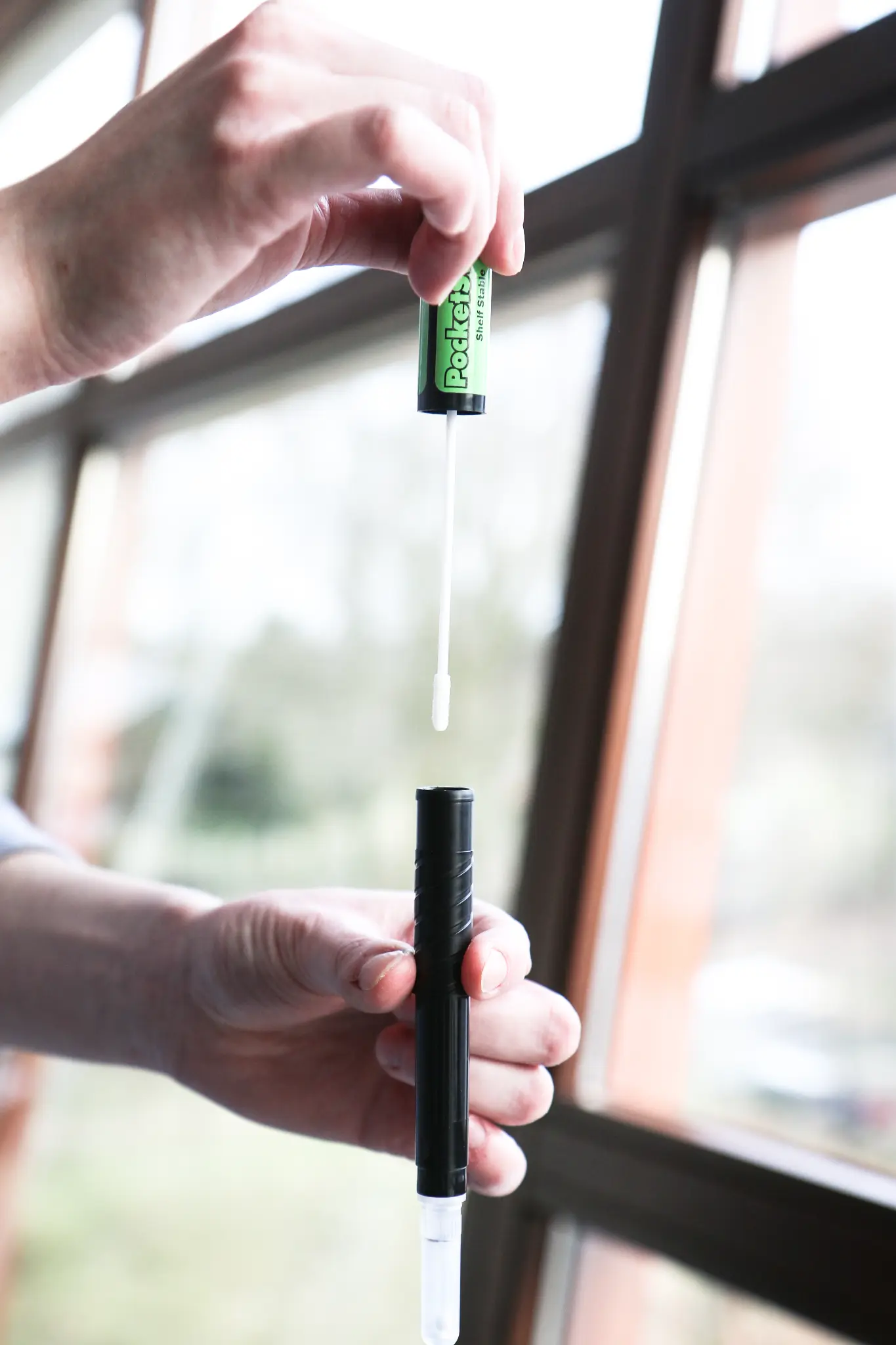
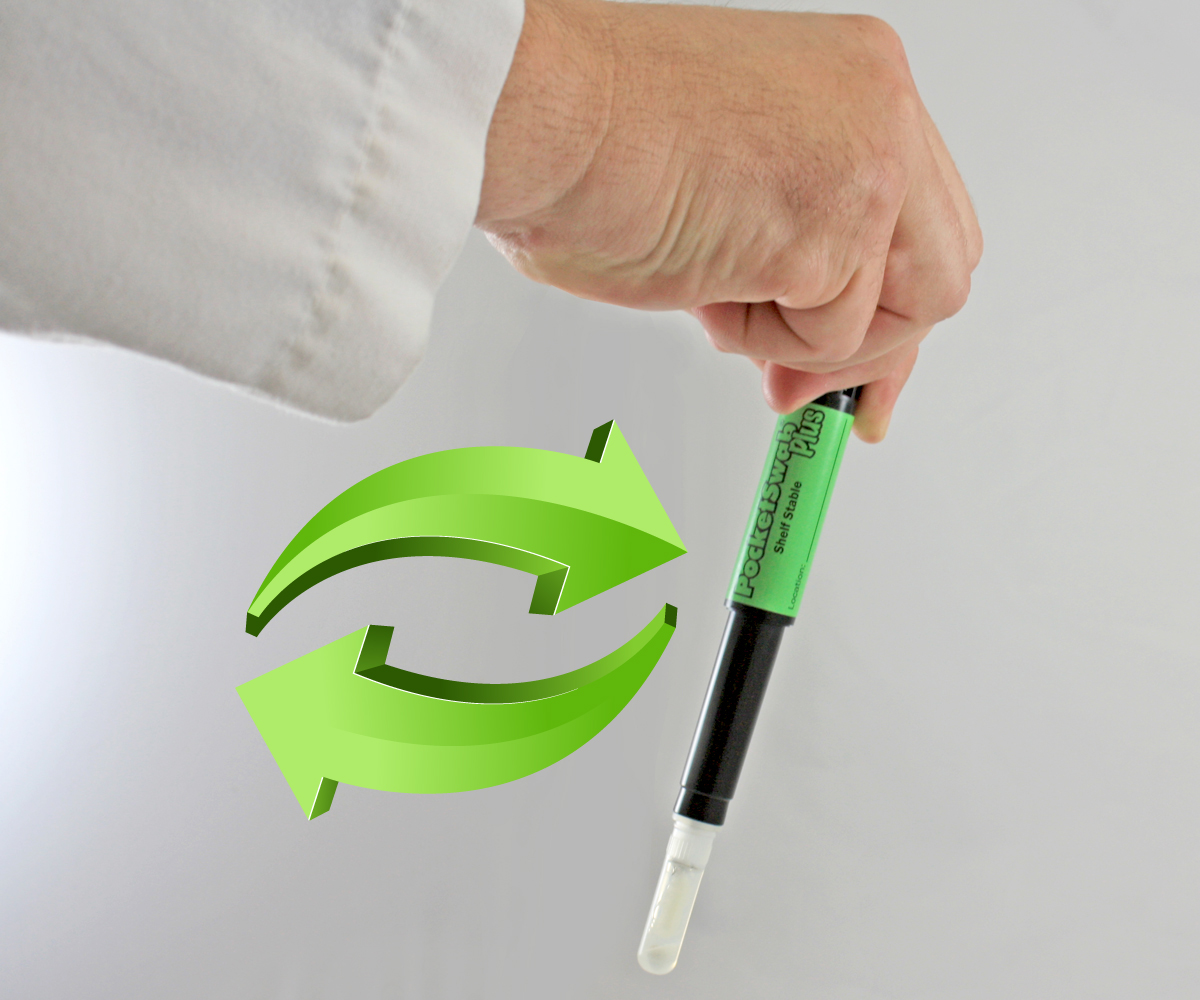
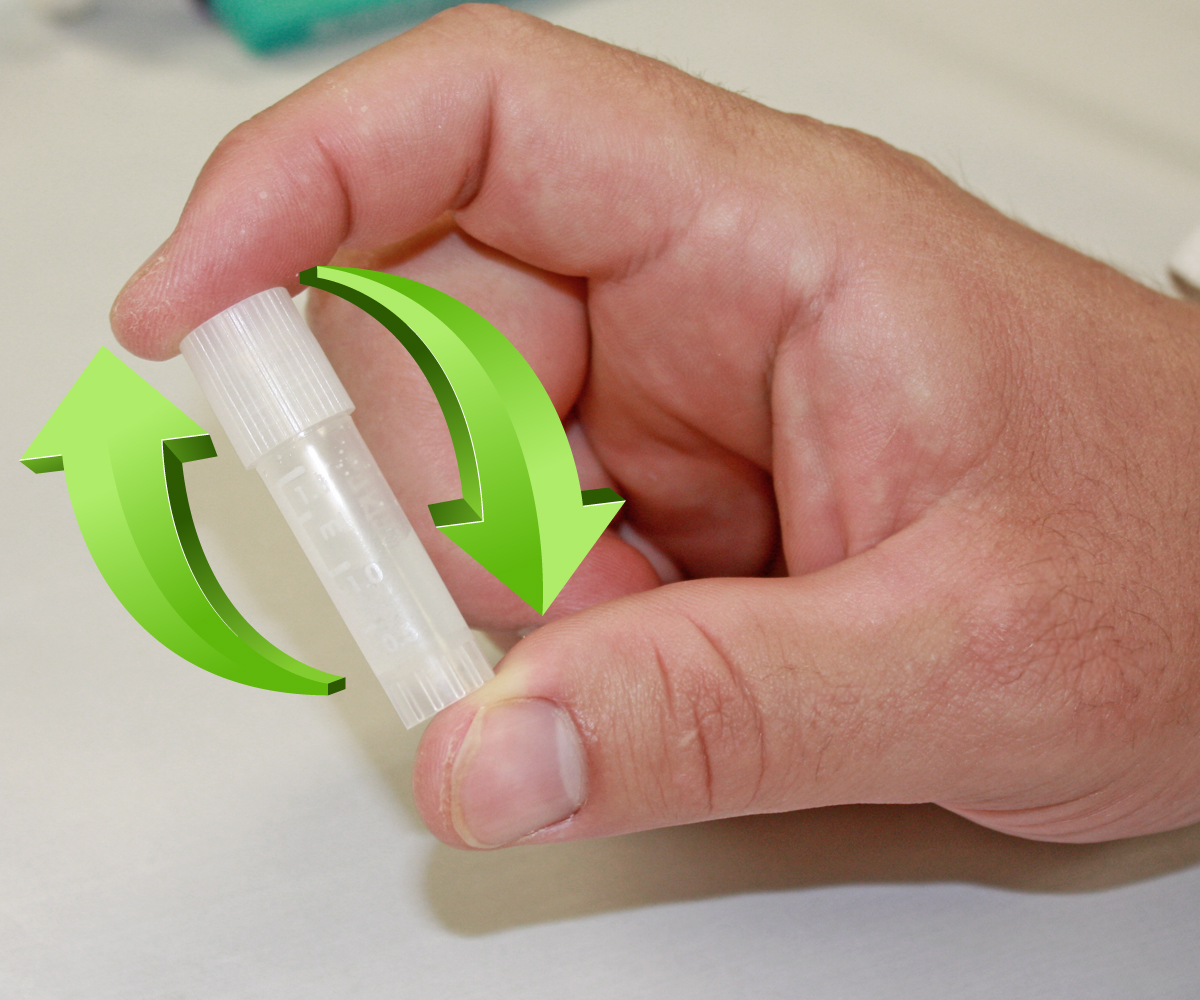
Activate the reagents
Push the swab down to activate the luciferase reagents in the tube. Mix by rotating 3×.
Insert into luminometer
Insert the activated swab into the novaLUM II-X luminometer and press the measure button.
Read the result
In 5 seconds an RLU value appears with a PASS (green) or FAIL (red) indication on the display.
Understanding RLU values
Surface is biologically clean. Cleaning has been effectively carried out. Production can start.
Insufficient cleaning. Immediate re-cleaning required. Re-test before production start.
Important: Set your own threshold values
The exact PASS/FAIL threshold values are set based on your specific production environment, cleaning agents and risk analysis. The novaLINK 6 software allows you to set customised limits per location and product type.
ATP testing vs. traditional methods
| Criterion | ATP Testing | Visual inspection | Microbiological culture |
|---|---|---|---|
| Result time | 5 seconds | Immediate | 24–48 hours |
| Detects bacteria | ✓ Yes | ✗ No | ✓ Yes |
| Detects food residues | ✓ Yes | Limited | ✗ No |
| Quantitative | ✓ RLU values | ✗ Subjective | ✓ CFU/ml |
| Immediate action possible | ✓ Yes | Limited | ✗ No |
| HACCP documentation | ✓ Automatic | Manual | Manual |
| Cost per test | € 1–3 | Minimal | € 10–50 |